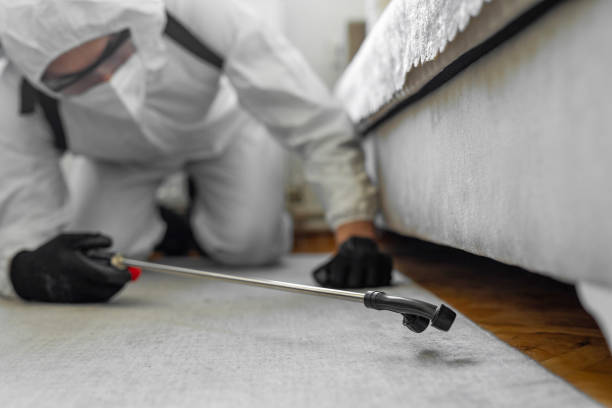
Scratching in the attic or droppings in the pantry both point to the same fix: find the gap, seal it, then clear the population. Rodents also gnaw on electrical wiring, which turns a nuisance problem into a genuine fire-safety concern if it goes unaddressed.


Our team is trained in structural exclusion work, not just trap placement — sealing gaps as small as a quarter-inch that mice can squeeze through.
We route technicians fast when a Bell, CA customer reports fresh droppings, gnawing, or attic noise — those signs mean the population is active now.
The inspection determines a fixed price for trapping and exclusion work before anything is installed.
Our trucks stock exclusion-grade hardware cloth, rodent-proof sealant, and attic sanitizing agents, not just consumer traps. We also photograph every sealed entry point before and after, giving you documentation of the exclusion work performed.
Norway rats burrow at grade, so we focus on foundation perimeters, deck footings, and crawl space vents.
We trace roof rat entry to soffit vents and roofline gaps, sealing those before setting attic traps.
Mouse control centers on finding every small gap, since a single unsealed opening undoes the whole job.
After removal, we clean contaminated insulation and sanitize affected areas per industry biohazard handling standards.
We install hardware cloth, door sweeps, and vent screens to physically block re-entry after the population is cleared.
Scheduled monitoring and bait station servicing for property managers needing ongoing compliance documentation.

Describe the noise pattern and any visible signs; that helps us bring the right trap and exclusion materials.
A technician arrives with trapping and sealing materials already loaded, ready to inspect and quote in the same visit.
We trace droppings, gnaw marks, and grease trails back to the entry point, then map every gap needing exclusion work.
Traps are set, entry points sealed, and a follow-up check scheduled to confirm the population is fully cleared.
We'd tried store-bought traps for months. The technician found the actual gap under our deck ledger board in twenty minutes.
Roof rats in the attic for weeks. They sealed three roofline gaps and the noise stopped within a few days.
Property manager here — they service all six of our buildings on a schedule and send logs I can hand to ownership.
Appreciated that they explained the difference between mice and roof rats before quoting. Didn't feel like a guessing game.
Two units in our building had chewed wiring behind the stove. Exclusion work solved it and the electrician confirmed no further risk.

Coverage across Bell and the surrounding Bell, CA area includes priority routing for properties bordering fields, woodlots, or older housing stock. Properties in Bell near open fields or construction sites tend to see rodent pressure spike seasonally, so we plan technician routes with that pattern in mind.

Rat droppings are roughly the size of a grain of rice or larger; mouse droppings are smaller and more pointed. Noise timing and gnaw-mark size also differ.
Trapping handles what's inside now; sealing is what keeps new rodents from replacing them.
We'd recommend waiting — disturbed rodent droppings can aerosolize particles, and our technicians use proper PPE and sanitizing agents for safe cleanup.
A typical job is a single day of work plus a short follow-up window to verify the population is gone.
We prioritize mechanical trapping and exclusion over rodenticide when possible, especially around homes with pets or children.
Accessible food sources, standing water, cluttered storage, and unsealed foundation gaps are the most common draws. It's also worth checking your attic access panel and garage door seal periodically, since those are common secondary entry points we find during follow-ups.
A technician who traps and seals in one visit beats a cycle of traps that never quite finish the job.
Call +1-844-564-2570